Dental implants, once settled into your mouth, don’t hurt, but there is some minimal pain involved in the surgery to get them.
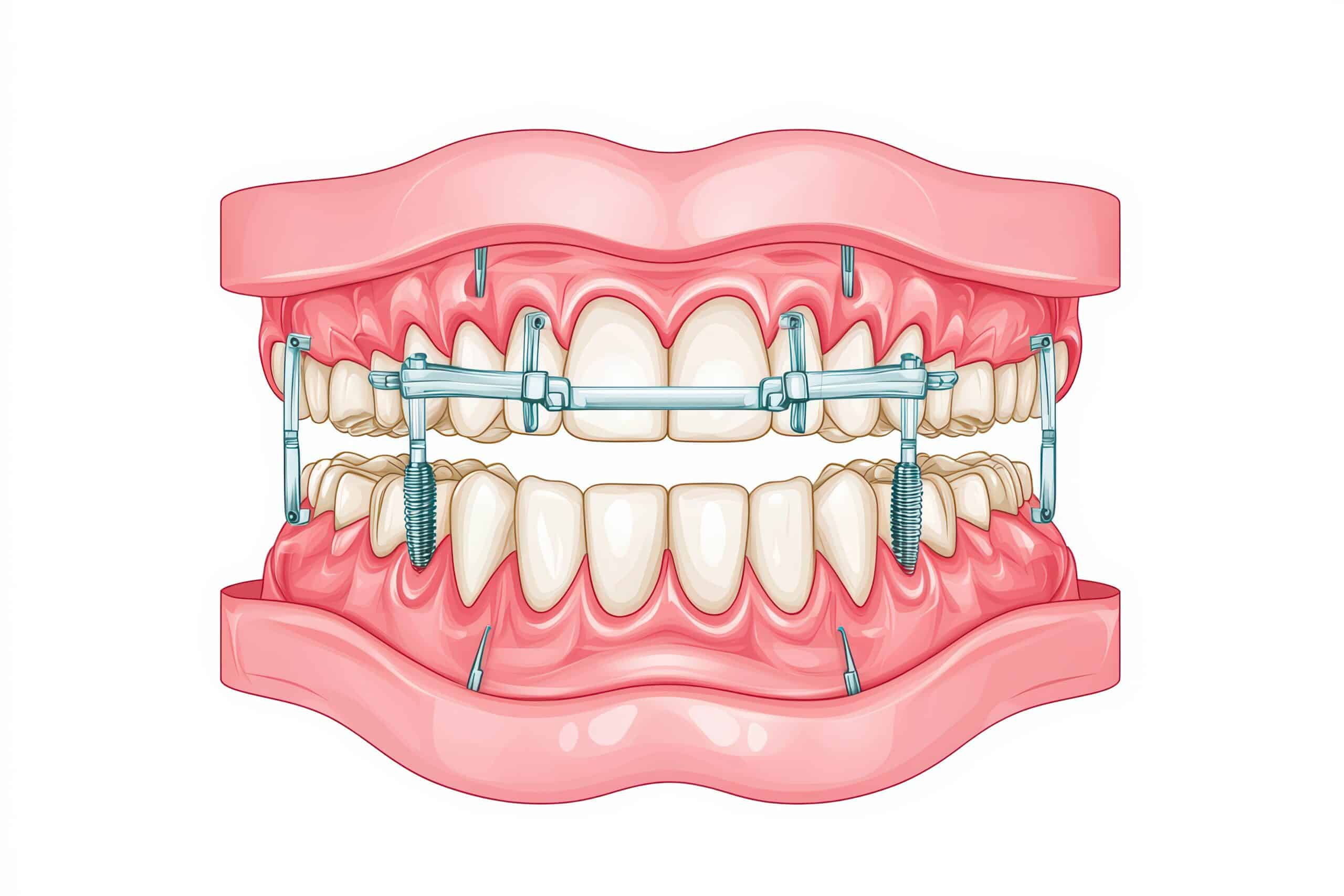
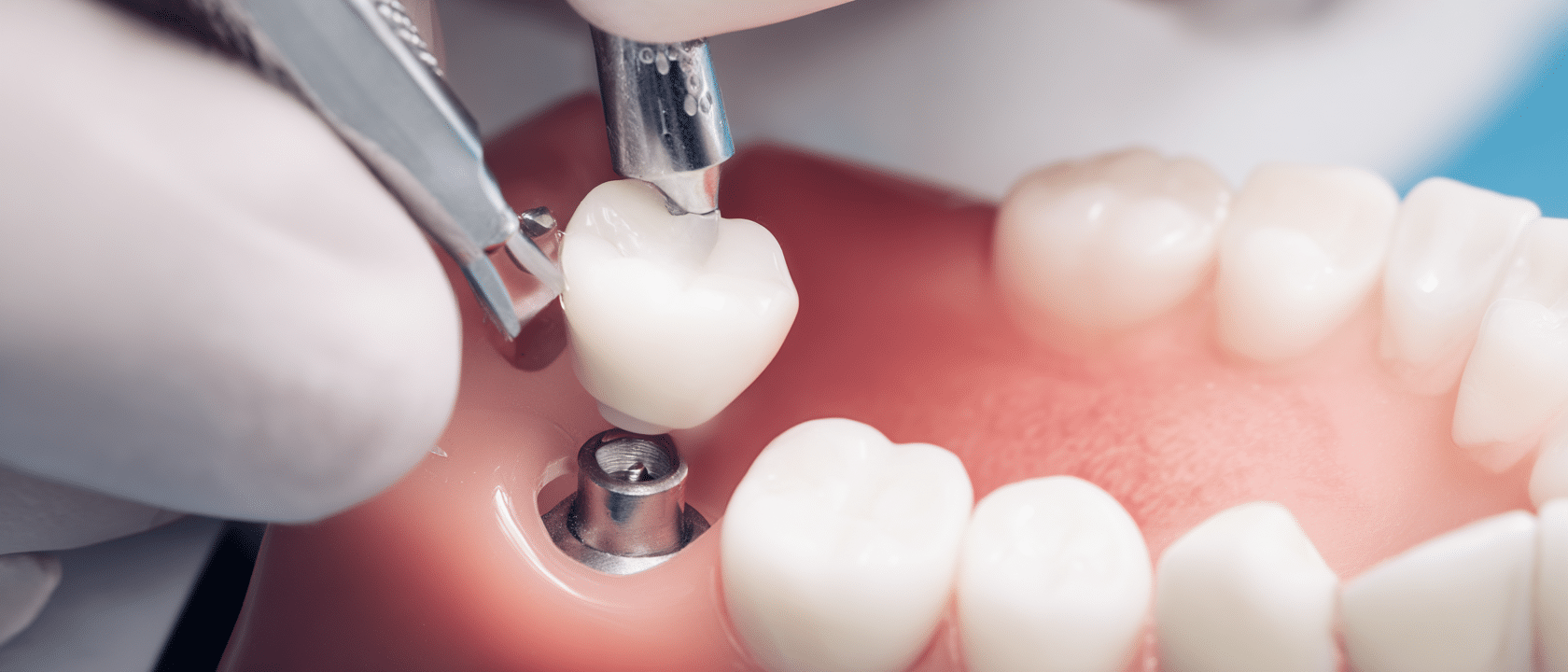
Implants involve two parts: the titanium post and the crown that sits on top of the post. The titanium post is inserted into your gum to act as a tooth root. Once the gum heals and the post fuses with your jawbone, you won’t have any pain. It will act as a natural tooth.
✓ The crown that sits on top functions as a natural tooth, allowing you to chew and speak, and causes no ongoing pain.
Why Get a Dental Implant?
Dental implants are popular because they are the closest thing to natural teeth in both looks and function. They are customized to fit your mouth and match the rest of your teeth. They are maintained the same way you maintain your natural teeth.
No Extra Accessories
They don’t require extra accessories like crowns or metal attachments to other teeth, as bridges do
Confident Smile
They don’t slip like some dentures and give you a confident smile
Comfortable Alternative
Implants are considered a comfortable alternative to other procedures
Highly Versatile
Can replace a single missing tooth or both the top and bottom rows
The Procedure Has Some Pain
The dental implant procedure is a surgery, so it has some pain. However, dentists and surgeons minimize pain with local anesthetics and sedation, if necessary.
⏱️ Procedure Timeline
Single implant surgery: 1-2 hours
Total process (with healing): Up to 9 months
Step-by-Step Implant Process
Step 1: Initial Consultation
The first consultation will include an exam and X-rays to see if you qualify for dental implants. You must have good jawbone density for the procedure to be successful.
Some procedures will need to have decayed teeth removed and a bone graft inserted. The area worked on is numbed, but procedures like these can cause some minimal pain once the anesthetic wears off.
Step 2: Bone Graft (If Needed)
A bone graft helps those with lower bone density develop more bone as it stimulates bone growth. That takes time. Your dentist or surgeon will evaluate gum healing before moving forward with inserting the post.
Healing time: Up to 6 months
Step 3: Post Insertion
The area will be numbed during the insertion procedure, so you won’t feel pain during the process. However, there will likely be some minimal pain after the numbing medication wears off. Your dentist can recommend how to handle any pain.
A temporary crown will be placed over the post during the second healing process, which could take several months.
Fusion time: 3-9 months for implant to fuse with jawbone
Step 4: Abutment Placement
Another procedure is scheduled to place the abutment. The abutment is what attaches the implant post to the crown that will be your new tooth. The dentist or surgeon will use local anesthesia to numb the area where the abutment will be placed so you won’t feel pain during the procedure.
The surgeon may need to reopen the gum if it receded, and that means they will make a small incision. Pain from this procedure may come afterward as gum tenderness, light bleeding, and some swelling.
Recovery: Soreness should last no more than a few days to 2 weeks
Step 5: Crown Installation
Once the area is healed, which takes a couple of weeks, the custom-made crown is installed on the abutment. This is non-surgical and non-invasive, so some dentists opt to do it without numbing the area.
Pain level: Minimal to none – it’s a mechanical attachment and the titanium post has no nerve endings
What You Feel Afterward
A dental implant doesn’t cause ongoing pain, but it can feel strange until you are used to it. You feel nothing from that tooth, but your tongue can feel the crown, so it may provide a strange sensation when you rub your tongue against it.
You won’t feel pain from your dental implant while chewing or talking. Ongoing pain could arise from gum issues or nearby teeth problems, which might be mistaken for pain in the implant.
Managing Pain During Recovery
During Procedure
Local anesthetics and sedation minimize pain – you’ll only feel pressure
After Surgery
Over-the-counter pain medication can alleviate most discomfort
Long-Term
No ongoing pain – functions just like a natural tooth
Ready to Learn More About Dental Implants?
We can answer all your questions about dental implants and schedule a consultation for you to consider them. Call us today!